
Cost per Window Installed (2026)
- Vinyl: $300–$700 — the value leader, 70% of US replacements
- Fiberglass: $600–$1,200 — premium performance, paintable
- Wood (clad): $800–$1,500 — premium aesthetics, highest maintenance
- Aluminum: $400–$900 — strong but poor insulator; fading in residential
Full-house replacement (10 windows) runs $4,000–$12,000 for vinyl, $8,000–$18,000 for fiberglass or wood-clad. See our window replacement cost guide for detailed project budgets.
Vinyl: The Default Choice
Pros: cheapest, zero maintenance, good insulation, never needs painting.
Cons: can't be painted (color is permanent), can warp in extreme heat (dark colors in desert climates), bulkier frames mean slightly less glass.
Best for: most homeowners. If you're unsure, vinyl is the safe answer.
Fiberglass: The Performance Pick
Pros: strongest frame material, minimal expansion/contraction (best seal longevity), paintable, slim profiles like wood.
Cons: 50–80% more than vinyl, fewer style options, fewer installers carry it.
Best for: long-term homes, extreme climates, large windows where frame strength matters.
Wood-Clad: The Beauty Pick
Pros: unmatched aesthetics, excellent natural insulator, stainable interior.
Cons: most expensive, exterior cladding can still fail, interior wood needs finishing.
Best for: historic homes, high-end renovations where looks justify the premium.
Glass Matters as Much as Frame
- Double-pane is the minimum — single-pane is obsolete for replacements.
- Triple-pane adds $100–$200/window; worth it in very cold or very hot climates, marginal elsewhere.
- Low-E coatings are standard on quality windows — reject any bid without them.
- Argon fill between panes is standard; krypton is a marginal upgrade at higher cost.
Energy Ratings to Demand
- U-factor ≤ 0.30 (lower = better insulation)
- SHGC matched to climate (low ~0.25 for hot climates, higher ~0.40 where winter sun helps)
- ENERGY STAR certified for your climate zone — required for most utility rebates
Installation Matters More Than Brand
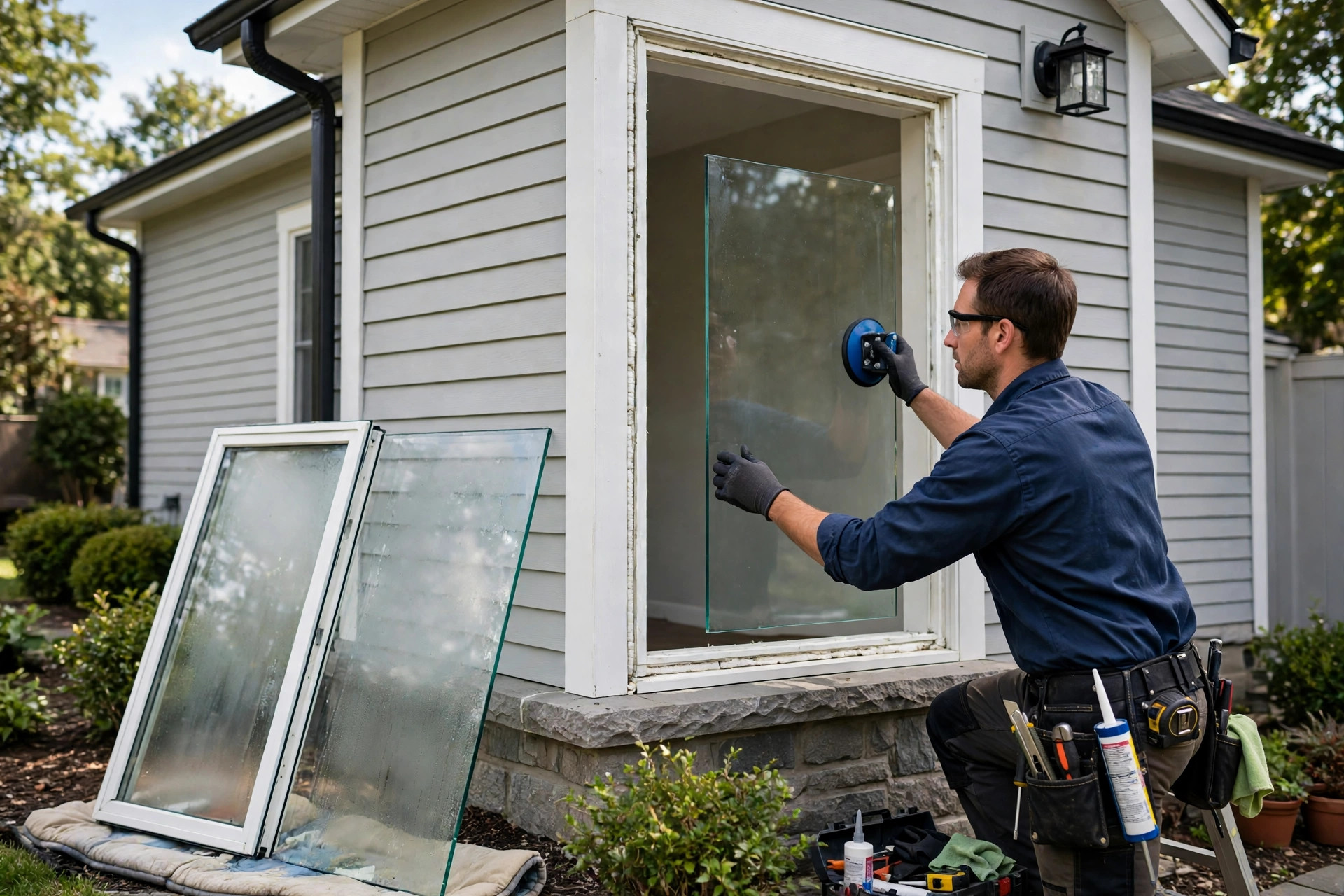
A $700 window installed poorly performs worse than a $400 window installed well. Ask about: full-frame vs. insert installation (full-frame costs more but fixes rot and air leaks), flashing and sealing details, and interior/exterior trim finishing. Get the installation method in writing.
Rebates and Tax Credits (2026)
ENERGY STAR windows may qualify for utility rebates ($50–$200/window in many markets) and federal tax credits under current energy-efficiency programs. Ask your contractor what's available — many homeowners leave $500–$2,000 on the table.