
This guide gives you real installed prices for every type of water heater, the line items an honest quote contains, and how to tell a fair bid from a padded one.
The Short Answer: What You Will Pay
For a straightforward like-for-like swap of a 40 or 50-gallon gas tank, budget $900 to $2,000 all-in. That covers the unit, 2 to 3 hours of labor, basic fittings, hauling the old tank away, and the permit. Electric tanks run a little less at $800 to $1,600. If you are switching to tankless, plan on $2,500 to $5,500 because the venting and gas line work adds real labor. Heat pump (hybrid) units land at $2,500 to $4,500 installed, before any tax credits.
Tank vs Tankless vs Heat Pump: Real Installed Prices
- Gas tank, 40-50 gallon ($900-$2,000): The workhorse. Cheapest to buy and install, costs more to run. A 50-gallon gas tank suits most 3 to 4 person households.
- Electric tank, 40-50 gallon ($800-$1,600): Lower upfront cost, but electricity typically costs 30 to 50 percent more per month than gas for the same hot water.
- Tankless gas ($2,500-$5,500): Endless hot water and a 20-plus year lifespan, but installation often needs a larger gas line, new venting, and sometimes an electrical upgrade for the controls.
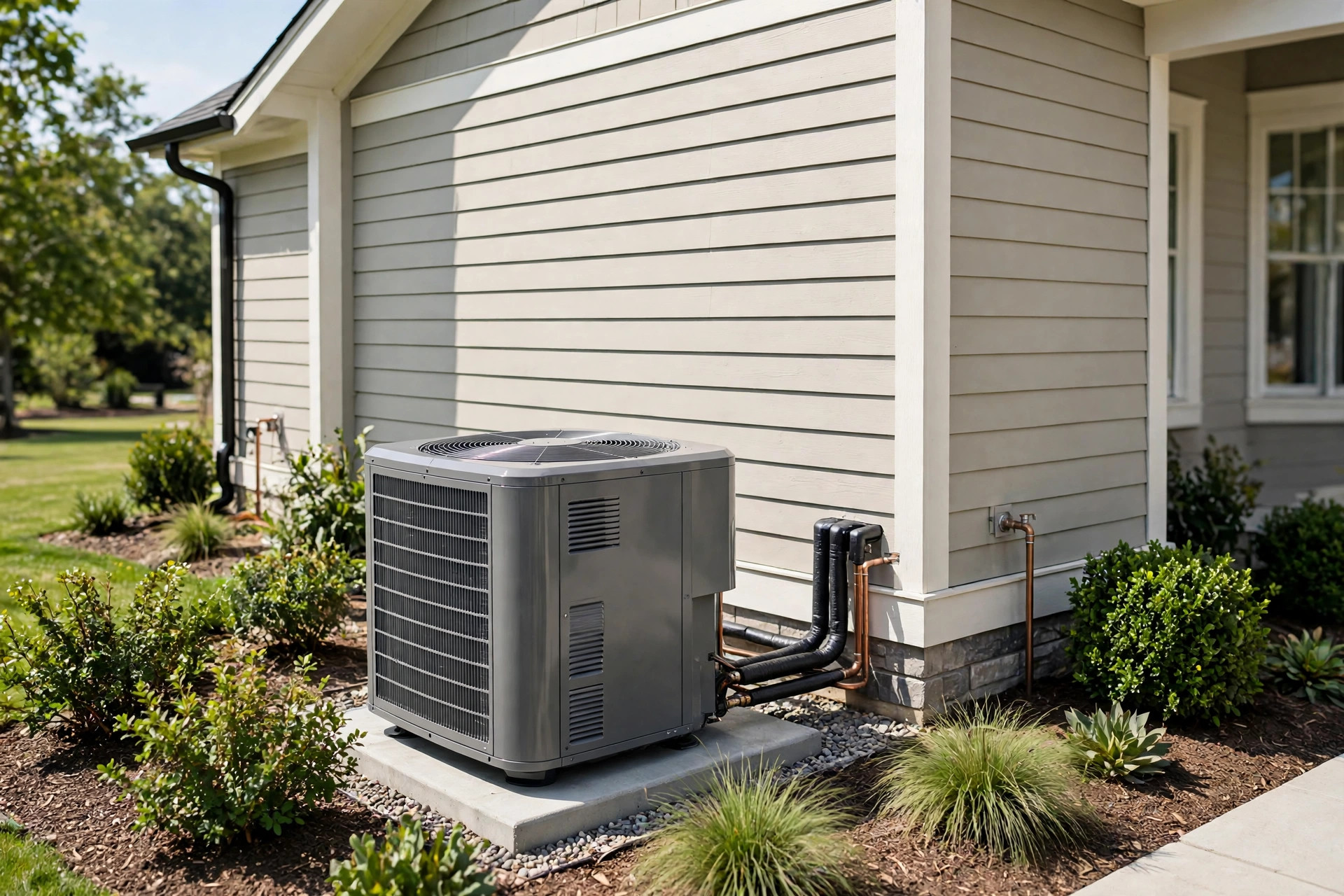
- Heat pump / hybrid ($2,500-$4,500): Uses up to 60 percent less energy than a standard electric tank. Needs a location with enough air volume and a condensate drain. Federal tax credits can knock up to $2,000 off.
- High-efficiency condensing tank ($1,400-$2,800): A middle path: tank simplicity with better efficiency, but it needs a condensate drain and PVC venting.
What an Honest Quote Actually Includes
A complete installed price is not just the box from the supply house. Ask for these line items:
- The unit itself ($400-$1,200 for a standard tank): Brand and model should be named. A quote that just says "50-gallon water heater" is hiding the quality tier.
- Labor ($300-$800): A straight swap takes 2 to 3 hours. Tankless conversions take a full day or more.
- Permit ($50-$250): Required in most cities. No permit on the quote means unpermitted work.
- Expansion tank ($100-$250 installed): Code-required in most areas with closed plumbing systems. Frequently "forgotten" in lowball quotes, then added on installation day.
- Drain pan and piping ($100-$300): Required when the unit sits where a leak would damage the home, like an attic or upstairs closet.
- Disposal of the old unit ($50-$150): Some plumbers include it, some charge separately. Ask.
- Code upgrades ($0-$600): Older installs may lack a proper vent, seismic strapping, or a correctly sized gas line. These are legitimate costs, but they should be itemized, not buried.
5 Factors That Move Your Price Up or Down
1. Whether it is an emergency
A planned replacement during business hours is the cheapest scenario. A burst tank at 9 PM on a Friday carries a 25 to 50 percent emergency premium. If you can shut off the water and wait until morning, do it.
2. Switching fuel type or technology
Gas tank to gas tank is the cheapest job. Gas to electric, or tank to tankless, adds $300 to $1,000 in gas line, venting, or electrical work. The unit is only half the project when you change technologies.
3. Where the unit lives
A garage install is fast and easy. An attic unit needs a drain pan, harder access, and more labor. Crawlspace installs are the worst of all three and priced accordingly.
4. Local code requirements
Seismic strapping in California, specific venting rules in Chicago, flood elevation rules on the Gulf Coast. Your local plumber knows these; a handyman quoting half price probably does not.
5. The age of your plumbing
Corroded shutoff valves, undersized gas lines, and missing dielectric unions all add time. A good plumber spots these during the estimate. A bad one discovers them mid-job and the price jumps.
Repair or Replace? The 50 Percent Rule
If the repair costs more than half of replacement, replace. A $400 gas valve on a 13-year-old tank is throwing money at borrowed time, since most tanks last 8 to 12 years. Also replace if you see rust-colored water, rumbling sediment sounds that flushing does not fix, or any moisture around the base. A leaking tank cannot be patched. It is done.
Repair makes sense for: a failed thermocouple ($150-$250), a bad heating element ($200-$350), or a leaky drain valve ($150-$250) on a unit under 8 years old.
How to Pay Less Without Cutting Corners
- Replace before it fails. A planned swap is always cheaper than an emergency one. If your tank is past 10 years, start getting quotes now.
- Get three itemized quotes. Water heater quotes routinely vary 40 to 60 percent. Compare licensed plumbers near you line by line, not just the bottom number.
- Ask about the expansion tank and permit explicitly. These are the two most common surprise add-ons. If they are in the quote, the bid is honest.
- Consider the heat pump credit. If your utility closet has the space, a hybrid unit plus the federal credit can cost less over 10 years than a basic gas tank.
- Do not buy the unit yourself to "save money." Plumbers warranty their labor on units they supply. Supply your own and most will not warranty the install.
Get Your Number Before You Call
Run the numbers through our free plumber cost calculator for an instant range on your specific job, then compare free quotes from verified plumbers in your area. For the full picture on what plumbers charge across every job type, see our plumber cost guide.